
Mount Kenya Conservation Forum


Clearing vegetation for farming (Shamba system)
Shamba system is a form of farming in public forests where farmers inter-crop tree seedlings with food crops inside the forest reserves. This was a practice is very popular with squatter communities living around the Mt. Kenya forest as they are assured of forestland to raise food crops for their families and for commercial purposes. It is also argued that the shamba system is an effective method of running plantation forestry as people farming in the forest also take care of the young tree plantations, work that could have involved employment of additional people at extra cost.
The shamba system has for a long time generated controversies among scientists, politicians and local populations in Kenya. In the 1999 survey of the destruction of Mount Kenya, it emerged as one of the critical practices that threatened the conservation of Mt. Kenya. The system contributes to forest destruction and loss of biodiversity in various ways. A deeper examination of the shamba system reveals a number of its negative effects on conservation of Mt. Kenya. The system has not only attracted a huge population of farming squatters into the forest but has also attracted commercial farmers into the practice. This has lead to opening up of more and more indigenous sections of the forest for farming. This has caused immense los of forest cover and wildlife habitats. Additionally, these forest farmers have been associated with the ever increasing poaching of wildlife especially for bush meat trade. This has lead to drastic loss of wildlife and possible extinction of some species on Mt. Kenya forest. Other illegal activities in the forest that thrive alongside the Shamba system is the growing of marijuana (bhang) a plant that is illegal in Kenya.
Overgrazing
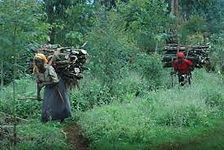
Other major human practices that have been identified as threats to Mt. Kenya ecosystem include livestock grazing. During the dry spells, the ecosystem has experiences a huge influx of livestock from the neighboring and far away communities thereby leading to environmental degradation.

Charcoal production
Over the years, communities living adjacent to the Mt. Kenya contributed to the degradation of the ecosystem through illegal charcoal production. This practice was prevalent in the lower parts of the forest reserve with the highest concentration reported in Thegu, Imenti, Burguret, Naro Moru, Ragati and Chehe areas.